

On the first day of his second term, President Trump issued several executive actions that fundamentally changed the landscape of US foreign assistance for health. The actions put a halt to many global health programmes across the world and threatened to set back progress in combatting infectious diseases such as Tuberculosis and HIV.
The damage from the initial withdrawal has been felt in communities across much of Africa.
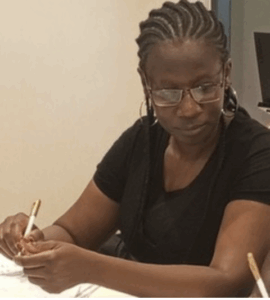
“We are losing sight of WHO targets of reducing 90% of TB deaths and also reducing new TB infection cases by 80% by 2030,” explains Dorothy Adongo in Kenya, a TB survivor and a community TB health worker. The withdrawal has impacted essential TB service delivery, including diagnostics, treatment, TB-HIV co-infection interventions and research initiatives critical to eradicating TB. Many health workers are out of work and drug shortages are common in Bungoma county where Dorothy works. “The free services for TB are no longer available,” says Dorothy pointing to how patients and health workers now have to pay out of pocket for what little services remain.
In the Democratic Republic of Congo, where the TB burden is high, the withdrawal of funding impacted civil society organisations particularly acutely. “In January all our projects, all of our activities were stopped – the community rights and gender, stigma, advocacy, partnerships, and the social mobilization,” explains Maxime Lunga, the Executive Director at Club des Amis Damien, an organisation supporting TB patients. “Other NGOs and organisations closed down,” he says. The situation is deteriorating with a reduction in adherence to TB treatment and also compliance with the treatment – risking a surge in cases and drug resistance.
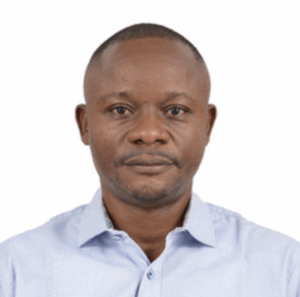
Very few donors or governments have stepped up to fill the gap across the continent. “Domestic funding is very little, and we need to advocate to our policy makers and heads of state to do more,” says Maxime.
Previous U.S. government efforts have contributed significantly to improving TB health outcomes, including helping to save the lives of more than 58 million since 2000 and contributing to a 9% decline in TB-related mortality between 2019 and 2023 in USAID TB priority countries. Based on data reported by national TB programmes to WHO, and reporting by the United States of America government to the Organisation for Economic Co-operation and Development (OECD) creditor reporting system, the United States government provided approximately US$ 200–250 million annually in bilateral funding for the TB response at country level. This funding was approximately one quarter of the total amount of international donor funding for TB.
Today, America has a new global health strategy – one that places America’s interests first above all others. The strategy, focused on bilateral agreements, calls for continued commitment to the “ambitious goals that have been set over the past decades for HIV / AIDS, TB, malaria, and polio.” But what that will look like for the communities most affected still remains to be seen.
:: :: ::
Written by Charles Ebikeme, Associate Consultant, Science Writing, Matahari Global Solutions